Things to Do in Gambia in November
November weather, activities, events & insider tips
Low Season · Budget Friendly
November Weather in Gambia
Long-run averages for November in Banjul
90°F (32°C)
High Temp
65°F (18°C)
Low Temp
0.1 inches (3 mm)
Rainfall
70%
Humidity
8
Sunny-Day UV
⚠ Residual mosquito populations from the recently ended rainy season remain active, at dawn and dusk. Anti-malarial precautions, treated bed nets, and DEET-based repellent are strongly recommended through November. Dusk is risky. Prepare accordingly.
⚠ The Harmattan, a dry dusty wind from the Sahara, can begin arriving in late November in some years, reducing visibility and leaving a fine grit on surfaces. It is usually mild this early in the season but can irritate eyes and respiratory conditions. Pack eye drops. Expect dust.
Making the most of November in Gambia? Browse tours and activities in Gambia on GetYourGuide.
Is November Right for You?
Weigh the advantages and considerations before booking
Advantages
- + The rains have stopped. The country is impossibly green. Baobabs line the south bank road in full leaf. Rice paddies near Brikama shimmer in morning light. The River Gambia runs swollen and alive. You are seeing the Smiling Coast at its most photogenic. The landscape still holds wet season moisture. Clear skies are already returning. By January, greens fade to gold and dust. November delivers the lush Gambia that dry-season visitors miss.
- + Migratory birds arrive in waves. Species from Europe and the Palearctic join residents. The count pushes past 550 observable species. Abuko Nature Reserve sits close. Kotu Creek is nearby. Tanji Bird Reserve is a short drive from the coast. November brings European bee-eaters, ospreys, and pied kingfishers. Gambian endemics appear without January's crowds. Guides are available. They are unhurried. Morning light at Kotu Creek softens before 8 AM. Mangrove channels open to tidal mudflats there.
- + The tourist season is just beginning. Charter flights from the UK and Scandinavia arrive from late October. November remains quiet by Gambian standards. The Senegambia strip has restaurants open. Beach bars along Kololi are staffed. You will not fight for a sunbed. Kachikally Crocodile Pool has no queues. Accommodation shows more availability. Prices sit below the December-to-February peak. Better rooms cost less. Personal service endures before package tourists arrive.
- + Evenings cool to 18 degrees C (65 degrees F). This is comfortable in Gambian terms. Daytime heat breaks after five o'clock. Walk the strip in Kololi. Sit down to grilled barracuda in Bakau. The air carries an almost Mediterranean quality. Locals fill the streets. The muezzin's call drifts over rooftops. Atlantic breeze off Kotu Beach brings salt and woodsmoke. Evening cook fires scent the air. This is the Gambia that brings people back.
Considerations
- − Seventy percent humidity is noticeable. It is not unbearable. Midday temperatures hit Banjul's average high of 32 degrees C (90 degrees F). Moisture means sweat through cotton by lunchtime. Hours between noon and three belong under a ceiling fan. Air conditioning works if you have it. The coast catches Atlantic breeze. That helps. Head inland to Janjanbureh. Visit the river camps. You lose that relief entirely.
- − Mosquitoes remain present. They remain active. Rains have just ended. Puddles linger. Standing water fills old rice fields. Warm humid air persists. Mosquitoes breed in these conditions. Anti-malarials are strongly recommended. Pack repellent for dusk and dawn. Biting peaks then. Sleep under treated nets. Most guesthouses provide them. Bring your own if you are particular.
- − Some operations still ramp up in early November. Smaller up-country lodges wait for mid-November. River camps delay opening. Specialist birdwatching guides need visitor numbers to justify staffing. The coast offers plenty of options. Specific inland camps may not be ready. Specialist boat excursions need confirmation. Check availability before booking flights. By late November, everything runs.
Short on time in November? See day trips around Gambia on GetYourGuide.
Best Activities in November
Top things to do during your visit
November arrives in The Gambia like a door swinging open after the long, saturating rains. The last wet-season downpour typically fell weeks ago. What remains is a landscape still flushed green, baobabs heavy with leaf, rice paddies luminous in the low-angled light, the River Gambia running wide and copper-brown with silt. Daytime temperatures climb to around 32°C (90°F), dropping to a comfortable 18°C (65°C) after dark, and rainfall is negligible, barely three millimetres for the entire month. The air carries residual warmth but none of the oppressive saturation that defines June through September. Mornings along the Atlantic coast feel almost temperate, with a dry offshore breeze that smells faintly of salt and drying laterite. For anyone wondering what the weather is like in The Gambia in November, the short answer is hot, dry, and reliably sunny. This is the hinge month between the wet and dry seasons. The humidity has stepped down noticeably from October's eighty-four percent, settling closer to seventy, and the sky holds that particular West African clarity, deep blue and scrubbed clean, that persists until the Harmattan haze drifts south in late December. The beaches at Kololi, Kotu, and Sanyang are freshly scoured, the sand packed firm and pale gold, and the ocean temperature is warm enough to wade into without hesitation. Restaurants along the Senegambia strip and in Serekunda's backstreets are reopening their outdoor terraces. Plates of domoda, a thick, slow-simmered groundnut stew ladled over rice, appear alongside grilled barracuda dressed in lime and Scotch bonnet, the char-smoke drifting across plastic tables. For travellers asking whether The Gambia is safe, the coastal resort areas and the main tourism corridor between Banjul and Kololi remain well-patrolled and accustomed to international visitors. November's low season means fewer crowds and more attentive service at hotels and guesthouses along the strip. This is also a rewarding month for birders. The rains have left behind standing water in the mangrove creeks and bolongs, and resident species are joined by the first Palearctic migrants, bee-eaters, rollers, harriers, arriving from Europe. The interior, accessible again now that dirt roads have dried enough for vehicles, opens up excursion options that were impossible in August or September. Whether you spend your days along the coast eating benachin in beachside shacks or push upriver toward the laterite bluffs of the interior, November in The Gambia has a country at its most approachable: green, warm, unhurried, and eager for the season's first visitors.

Full-Day Safari in Senegal from Banjul
day_tripThe drive from Banjul to the Senegalese border takes you through shifting terrain. First come the low, flat tidal flats south of the capital, where egrets stand motionless in shallow water. Then scrubby savannah thickens into gallery forest as you cross into the Fathala Reserve. This full-day safari deposits you among large wildlife, giraffes browsing acacia canopy, rhinos moving through tall grass with surprising quiet, and giant eland whose spiralled horns catch the morning light. The return journey includes a river crossing that doubles as an impromptu birdwatching session, with kingfishers diving from overhanging branches into the murky current. The air inside the reserve smells of sun-warmed earth and crushed grass. The silence between animal sightings is broken only by the creak of the vehicle and the occasional percussive call of a hornbill.
A chance to see megafauna, giraffe, rhino, giant eland, in a West African reserve just a border crossing from Banjul, without the long-haul logistics of East African parks.
Insider tip: Request a morning departure. The animals are most active in the first two hours after dawn, and the midday heat inside the reserve can be intense enough to send most species into shade and torpor.
This month: November's dry conditions and firm roads make the reserve fully accessible after the wet season's closures, and the post-rain greenery provides a more photogenic backdrop than the brown, parched landscape of February or March.

Gambia to Senegal Tour with Ferry Crossing and Safari Park
guided_experienceThis cross-border excursion bundles two experiences that individually would each fill a half day: a vehicle ferry crossing of the River Gambia, slow, diesel-scented, with views of Banjul's corrugated rooftops receding behind you, followed by a drive into Senegal's Fathala Wildlife Reserve. The ferry itself is part of the draw. Traders balance baskets of mangoes and smoked fish on their heads as they board, and the crossing gives you twenty unhurried minutes on the brown, wide-mouthed river with Caspian terns wheeling overhead. Inside the reserve, open-top vehicles navigate packed-earth tracks through thick bush, stopping for close encounters with animals that have been successfully reintroduced to this corridor of protected forest.
The ferry crossing transforms a safari day trip into a genuine border adventure, layering the sensory chaos of a Gambian river terminal onto a wildlife excursion.
Insider tip: Bring a light scarf or bandana for the ferry crossing. The deck offers no shade, and the reflected glare off the river is fierce even at nine in the morning.

MAKASUTU - cultural forrest, Brikama
otherMakasutu Cultural Forest sits about thirty kilometres south of the coastal strip. Entering it feels like stepping through a curtain. The scrub and roadside litter vanish, replaced by dense gallery forest threaded with palm-wine tapping stations and termite mounds tall enough to lean against. Guides here are drawn from the surrounding Mandinka and Jola communities, and the experience weaves together forest ecology with living cultural practice. You might watch a kora player coax cascading notes from the gourd-bodied instrument under a canopy of rhun palms, then walk deeper into the trees to a sacred crocodile pool where the water is black and still, reflecting the overhead branches in perfect mirror. The forest floor is soft underfoot, layered with fallen palm fronds and leaf litter, and the air is thick with the sweet, fermenting scent of palm sap dripping into calabash collectors hung from scored trunks.
One of the few places in The Gambia where forest ecology and Mandinka cultural practice are presented together without artifice, in a setting dense and wild enough to feel remote.
Insider tip: Ask your guide to include the canoe trip through the mangrove bolongs at the forest's edge. It is sometimes treated as optional. But the narrow waterway, barely wider than the dugout, is the most atmospheric part of the visit.

Airport pickup
transportThe road from Banjul International Airport into the coastal hotel strip is a compressed introduction to Gambian life: taxi drivers negotiating in Wolof, the smell of attaya (sweet green tea) brewing on charcoal at roadside stalls, the sudden appearance of goats standing calmly in the central reservation. Arranging a pre-booked pickup strips away the arrival-day friction. No haggling over fares. No navigating unfamiliar currency at the terminal. The drivers who operate these transfers know the hotel district road by road, depositing you at your door rather than at a junction where you would otherwise drag luggage through soft sand.
Eliminates the disorienting scrum at arrivals and puts you on the road with a driver who knows which beach hotels are accessed from the back road rather than the main highway.
Insider tip: Confirm your flight number and terminal in advance, since the airport handles arrivals in waves and drivers time their arrival to match your landing. A changed flight number can leave you waiting.

River cruise Fishing in the Gambia Lunch Included
cruiseThe Gambia River above Banjul is wide, slow, and tidal. This fishing cruise takes you into stretches where the mangrove banks close in and the only sounds are the slap of water against the hull, the creak of the rod holders, and the guttural croaking of herons launching from low branches. The target species are typically catfish and tilapia, nothing that will test heavy tackle. But the point is less about the catch than the immersion: drifting past fishing villages where pirogues are beached on mud banks, watching ospreys hunt the same waters you are fishing, and sitting down to a lunch of your catch grilled over coals right on the boat, the flesh flaking white and tasting faintly of the brackish river. The heat on the open water is significant. But the breeze created by the boat's movement keeps the air moving across your skin.
A rare chance to fish the River Gambia itself, eat your catch cooked over open flame on the water, and drift through a mangrove corridor that few visitors ever reach.
Insider tip: Bring polarised sunglasses. The river's surface glare in late morning is blinding without them, and they also let you spot fish shadows beneath the surface when the water runs clear over sandy shallows.
This month: November's minimal rainfall means the river is dropping from its September peak but still running high enough for easy navigation of the upper creeks. By February, some shallower channels become impassable.

South Gambia Tour - Fishing village and Paradise Beach
guided_experienceSouth of the tourist strip, the Gambian coast turns rougher and less developed. This guided tour runs through fishing villages where pirogues are hauled up on the sand in bright, hand-painted rows, turquoise, orange, deep red, and women spread the morning catch on wire racks to dry in the sun, the salt-and-fish smell hanging thick in the still air. The route continues to a stretch of coast known locally as Paradise Beach, a wide crescent of sand backed by casuarina trees where the surf breaks in long, even lines and the only permanent structures are a few palm-thatch shelters. The fishing villages here are working communities, not staged shows. Walking through them you will hear the rhythmic thud of women pounding grain in wooden mortars and the shouts of children chasing a deflated football across packed sand.
Puts the working Gambian coast, active fishing villages, undeveloped shoreline, the smell and sound of a community built around the sea, within reach of a single morning.
Insider tip: Wear shoes you can get wet. The approach to Paradise Beach crosses a shallow tidal creek, and attempting it in sandals risks losing them in the soft, sucking mud.
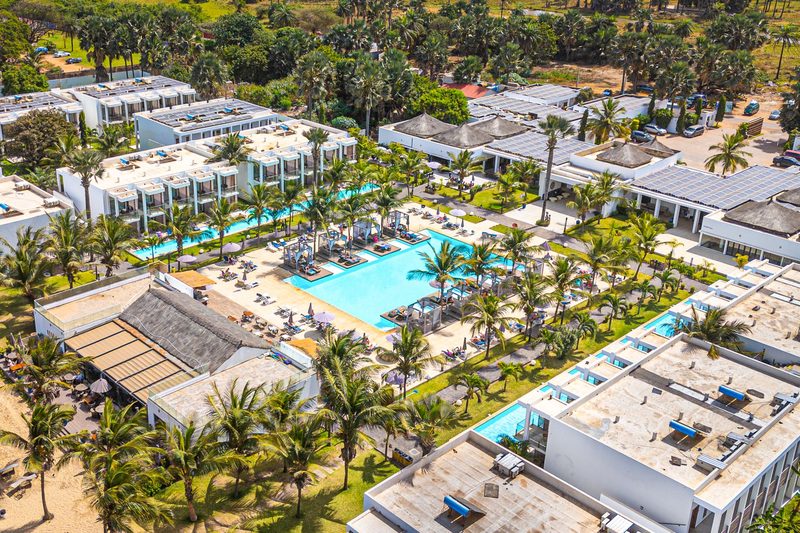
Where to Stay in Gambia in November
Hand-picked hotels across price tiers for November travellers.
Packing Checklist
Bookmark this page — your progress is saved between visits
Need the full list with shopping links?
Climate-specific gear, brand recommendations, and what to leave at home.
View Gambia Packing List →Essential Tips
Insider knowledge and common pitfalls to avoid
Insider Knowledge
The groundnut harvest peaks in November. Drive inland past Brikama. Women spread fresh peanuts on roadside mats. The sweet earthy smell mixes with red laterite dust. Domoda tastes best now. This thick groundnut stew is the national dish. November versions use freshly pressed paste. Later months rely on stored stock. Ask at any chop shop. The difference is clear. The flavour is rounder, oilier, less bitter than hotel versions served year-round.
Friday afternoons slow nationwide. Businesses close for Jumu'ah prayers around 1 PM. Serekunda Market empties. Plan market visits for mornings. Reserve Friday afternoons for beaches or nature reserves. Those stay open. Mosque atmosphere rewards respectful visitors. Ask permission first. Worshippers overflow onto prayer mats in the street. Amplified calls echo across flat rooftops. Worth seeing.
The Barra Ferry runs on its own schedule. That means unpredictable. Locals arrive early and wait. Tourists on tight timelines get frustrated. Pirogues from Banjul's waterfront are faster. They are more atmospheric too. Boatmen pole through harbour traffic. Container ships anchor in the channel. Pirogues cannot take vehicles. If your operator uses the ferry, add an hour. Bring water.
Wonjo, the deep-red hibiscus drink sold cold from plastic bags or jugs at every roadside stall, is what locals grab when midday heat peaks. It tastes tart and slightly floral, somewhere between cranberry juice and rooibos tea, and November's version is often made with the last fresh hibiscus flowers from the rainy season rather than dried petals. At Bakau market the women selling it will add a splash of mint syrup if you ask, and on a 32 degrees C afternoon it works better than anything from a can. Ask for mint. Drink it cold.
Avoid These Mistakes
Spending the entire trip on the Kololi and Kotu beach strip without venturing inland or south. The coast is comfortable and easy. But it is also the most homogenised version of the country, full of restaurants serving approximations of European food. Sanyang, Makasutu, even just Serekunda, are where Gambian life lives: the smell of woodsmoke and frying fish, the sound of kora music drifting from a compound, the experience of being somewhere different rather than a warm beach with better weather. A single day trip south or upriver changes the trip entirely. Leave the strip.
Treating the sun casually because the breeze makes it feel cooler than it is. The Atlantic wind along the coast is a gift. But it masks the UV intensity, and November's clear skies mean sustained exposure. Tourists who would never skip sunscreen in the Caribbean somehow arrive in Gambia and spend a morning at Kotu Beach without any, then spend the next two days in pain. Reapply every two hours, wear a hat, and stay out of direct midday sun between noon and three. The breeze lies. Protect yourself.
Changing money at the airport or hotel rather than at the official bureaux de change in Serekunda or Bakau. The exchange rate difference is noticeable, and the dalasi you lose at an airport counter over a two-week trip adds up to a meaningful sum. The bureaux in Serekunda are straightforward, no haggling required, and they give you a receipt. Street changers offering better rates exist but carry obvious risks, and the small premium at a licensed bureau is worth the certainty. Skip the airport. Go licensed.
Ready to plan your trip to Gambia?
Now that you've got the research covered, here's where to go next.
Explore More Activities in Gambia
Didn't see anything interesting yet?
Browse Viator's full catalog of tours, day trips, food experiences, and private guides in Gambia.
See All Gambia Tours on Viator